
Introduction
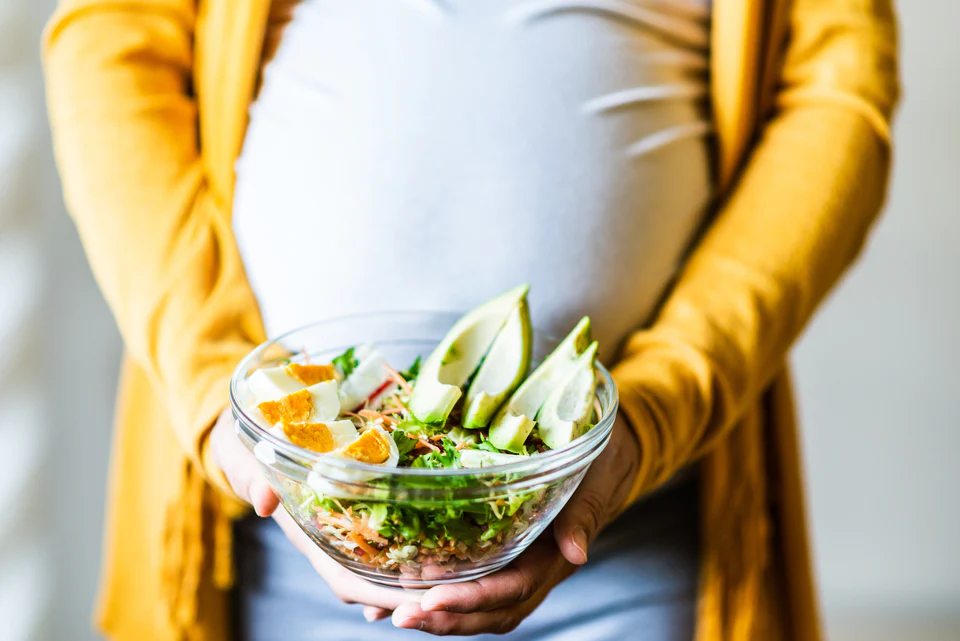
A balanced diet is crucial during pregnancy to support the health and development of both the mother and the baby. Consuming nutrient-rich foods ensures that both receive essential vitamins and minerals. Here are ten healthy foods to incorporate into a pregnancy diet, providing the nourishment needed for this important journey.
1. Leafy Green Vegetables
Nutrient-Rich Choices
Leafy greens like spinach, kale, and Swiss chard are packed with vitamins A, C, and K, as well as folate—an essential nutrient for fetal development. Folate helps prevent neural tube defects and supports healthy cell growth.
Easy Integration
Incorporate leafy greens into salads, smoothies, or stir-fries to easily boost nutrient intake. They are versatile and can be included in various dishes.
2. Berries
Antioxidant Powerhouses
Berries such as strawberries, blueberries, and raspberries are rich in antioxidants, vitamins, and fiber. They support the immune system and help manage inflammation.
Delicious Snacks
Enjoy berries as a healthy snack, add them to yogurt or oatmeal, or blend them into smoothies for a refreshing treat.
3. Whole Grains
Energy and Fiber
Whole grains like quinoa, brown rice, and oats provide essential energy and are high in fiber, aiding digestion and preventing constipation—a common pregnancy concern.
Versatile Options
Use whole grains as a base for meals, in salads, or as a breakfast option to ensure sustained energy throughout the day.
4. Lean Proteins
Essential Building Blocks
Lean proteins, including chicken, turkey, and tofu, are crucial for the baby’s growth and development. Protein supports tissue repair and muscle growth for both mother and baby.
Meal Ideas
Incorporate lean proteins into main dishes, soups, or salads to ensure adequate protein intake without excessive saturated fats.
5. Legumes
Plant-Based Nutrients
Legumes such as lentils, chickpeas, and black beans are excellent sources of protein, fiber, iron, and folate. They contribute to healthy digestion and prevent iron-deficiency anemia.
Diverse Dishes
Add legumes to soups, stews, or salads, or create a hearty vegetarian chili to enjoy their nutritional benefits.
6. Dairy Products
Calcium and Vitamin D
Dairy products like yogurt, milk, and cheese provide calcium and vitamin D, essential for building strong bones and teeth for the baby and maintaining the mother’s bone health.
Snack Ideas
Opt for low-fat dairy options as snacks, in smoothies, or as part of a balanced meal to ensure adequate calcium intake.
7. Nuts and Seeds
Healthy Fats and Protein
Nuts and seeds, such as almonds, walnuts, and chia seeds, offer healthy fats, protein, and omega-3 fatty acids. These nutrients support brain development and overall health.
Quick Snacks
Enjoy a handful of nuts as a snack or sprinkle seeds on yogurt, salads, or oatmeal for added nutrition.
8. Avocado
Nutrient-Dense Fruit
Avocado is rich in healthy fats, fiber, and folate. It supports fetal brain development and provides sustained energy.
Versatile Uses
Use avocado in salads, sandwiches, or as a spread on whole-grain toast for a nutritious and satisfying addition to meals.
9. Eggs
Complete Protein
Eggs are a great source of high-quality protein and choline, which is vital for brain development. They also contain essential vitamins and minerals.
Cooking Options
Prepare eggs in various ways—boiled, scrambled, or in omelets—to enjoy their nutritional benefits throughout the day.
10. Sweet Potatoes
Vitamin A Source
Sweet potatoes are high in beta-carotene, which the body converts into vitamin A. This nutrient is crucial for fetal growth and the development of the eyes and immune system.
Meal Ideas
Roast, mash, or include sweet potatoes in soups and stews to incorporate this nutrient-rich vegetable into meals.
Conclusion
Consuming a variety of nutrient-dense foods during pregnancy supports the health and development of both mother and baby. By incorporating leafy greens, berries, whole grains, lean proteins, legumes, dairy, nuts, avocado, eggs, and sweet potatoes into the diet, pregnant individuals can ensure they receive the essential nutrients needed for a healthy pregnancy. These foods provide a balanced mix of vitamins, minerals, and energy, promoting overall well-being during this crucial time.