
Introduction
“I feed my little guy, Jude, which is just as fun as it is frustrating, because babies need good nutrition to grow.” Healthy snacks are a necessary part of good nutrition and can affirm lifetime eating habits. This how-to guide shares tips for creating snack plates that toddlers will love.
Understanding Toddler Nutrition
Nutritional Needs
Toddlers need a variety of foods, including: Carbohydrates, protein, and fat: Little kids need carbs for energy (growing bodies consume a ton of energy, which is why your toddler is probably always hunger), and lean protein for their muscles. Their nibbles need to be power packed with energy and nutrients keeping in mind their activeness and milestones. By having different types of food groups, you also make certain that they are not missing out any nutrients.
Portion Sizes
Toddler servings are typically smaller than adults, so snacks should also be proportioned accordingly. Providing the small, frequent meals will help to keep the energy level up and food less in between meals.
Components of a Balanced Snack
Fruits and Vegetables
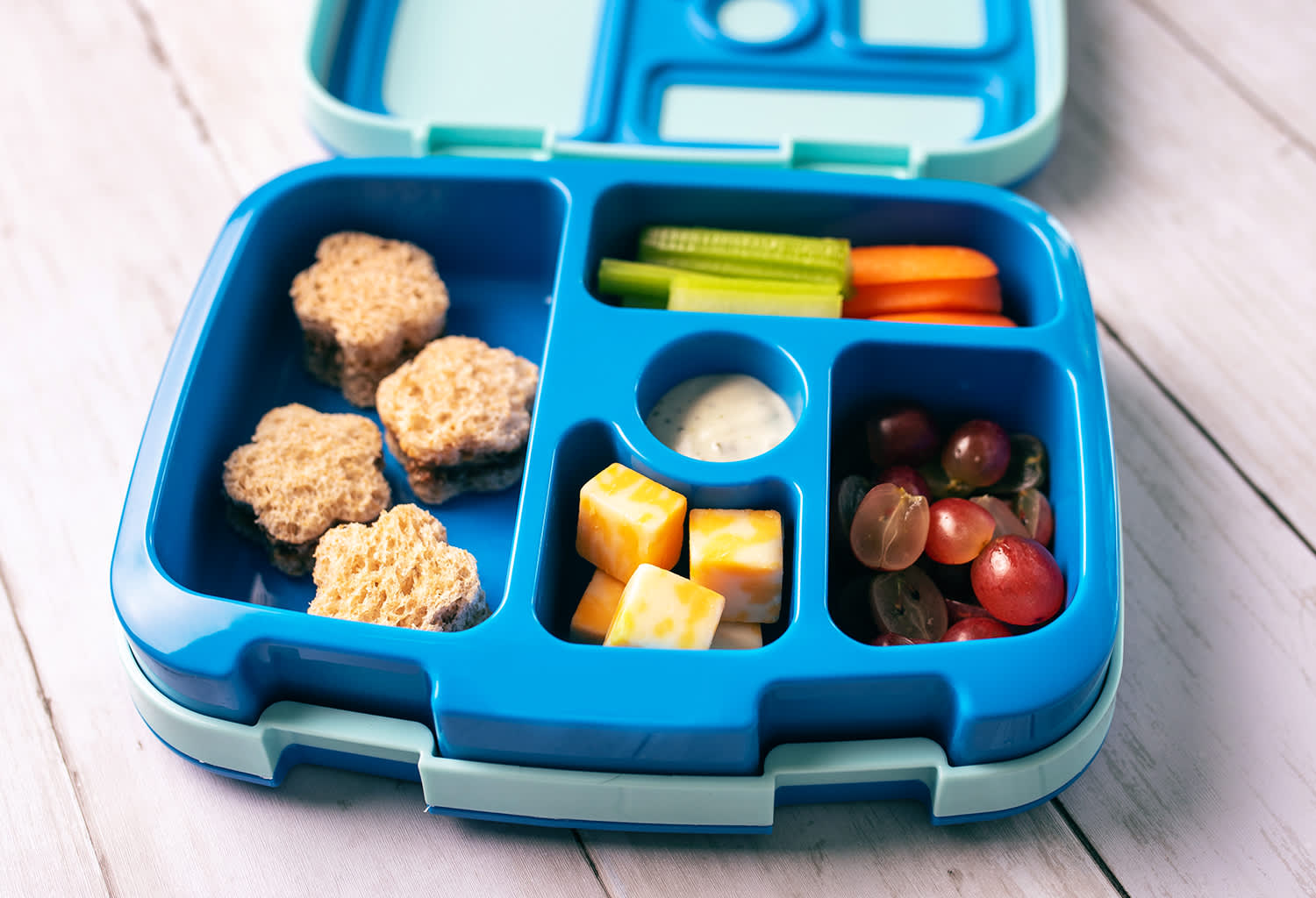
Adding colorful fruits and vegetables is a great way to score important vitamins, minerals and fiber. Fresh, frozen or dried fruits and vegetables can be cut into manageable chunks for optimal handling. Think of alternatives such as sliced apples, carrot sticks, berries to provide natural sweetness and a bit of crunch.
Whole Grains
Full grains is rich in energy and fibre. Opt for hearty options: whole-grain crackers, mini whole-wheat pitas or a bowl of oatmeal. These offer longlasting energy and promote good digestion to help support hunger and satiety in toddlers.
Protein
You need a protein to develop muscle and grow. Instead, look for cheese cubes, yogurt, hard-boiled eggs or nut butters (if there are no allergies) to include with snacks. Protein is the most satiating macronutrient and provides the body with the necessary amino acids.
Healthy Fats
Healthy fats are important for brain growth and general health. Adding avocado slices, nut butters, or cheese is another way to add more healthy fats in the form of snacks. These healthy fats are not just a source of fuel but they help to facilitate the absorption of fat-soluble vitamins.
Creative Snack Ideas
Build-Your-Own Mini Sandwiches
Serve with whole-grain crackers or mini pitas and cheese slices, turkey or avocado. Toddlers can construct their sandwiches themselves (and feel independent and creative).
Fruit and Yogurt Parfaits
Spread yogurt then top with fresh or frozen fruit and a few tablespoons granola for a healthy snack. It’s a satisfying and yummy combination of protein, vitamins, and fiber.
Veggie Sticks with Hummus
In various colours, serve veggie sticks (carrots, cucumbers, bell peppers, etc.), and with a little hummus for dipping. This snack provides vitamins, minerals and healthy fats, as well as an entertaining new way to eat your veggies.
Nut Butter and Banana Roll-Ups
Spread nut butter over a whole-grain tortilla, add a banana and roll. Cut into breadstick size pieces for a quick handy healthy snack that has a great combo of healthy fats, plus protein, and carbohydrates.
Cheese and Fruit Kabobs
Thread cheese cubes and fruit pieces onto safe skewers for a healthy, amusing snack. Together, they deliver calcium, vitamins and a yummy variety of flavors in each bite.
Tips for Snack Success
Involve Toddlers in Preparation
Let the little ones help prepare the snack! Let them pick whether to have fruit rather than chips and create their own snacks It adds autonomy and increases the chances that the snacks will be consumed.
Keep Snacks Fun and Colorful
Make the snacks fun shapes or use bright plates to attract the eye. Exciting and Inviting Toddlers will be more likely to try foods that look fun and delicious.
Be Mindful of Allergies
Remember a baby may have a food allergy at any time, so introduce new foods slowly, one at a time. If you have concerns about allergies or dietary restrictions, talk to a healthcare provider.
Conclusion
Creating balanced snacks for toddlers by mixing and matching food groups to supply key nutrients and promote healthy eating is the goal. Families can make good-tasting snacks by including fruit, vegetables, whole grains, protein, and good fats. Toddlers are sure to get the energy and nutrients they need to grow and develop and form a foundation for a lifetime of healthy eating with these strategies.